
“The opposite of love is indifference”
- The Lumineers, Stubborn Love
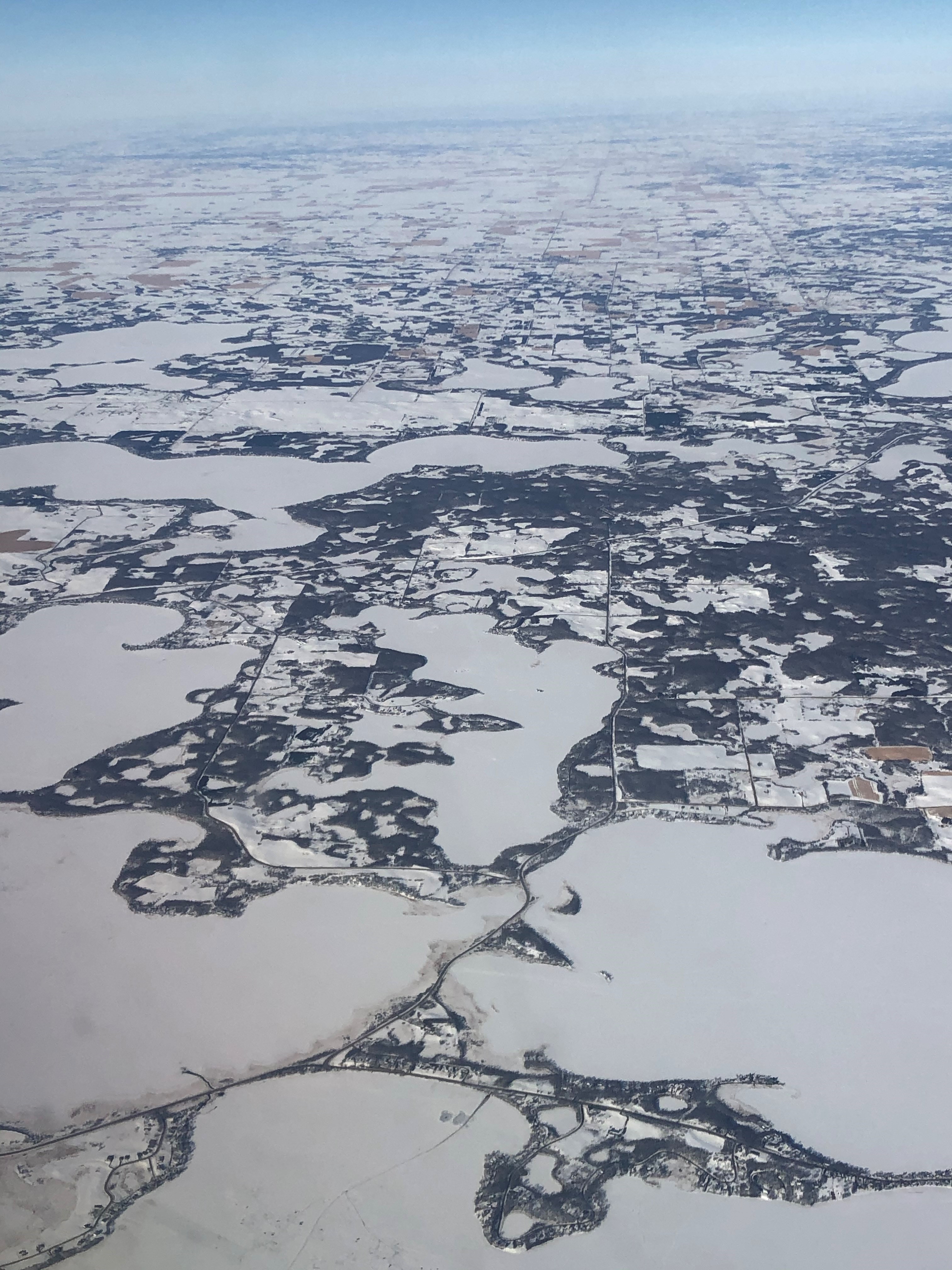
The Thanksgiving holiday is a time for us to think about what we are thankful for, and I am thankful for our lakes. They’ve shaped my childhood, my career, and my sense of place. A few weeks ago I was on a flight from Minneapolis to Fargo, and the flight path goes right over the large corridor of lakes left behind by the glaciers. Seeing it from above reminded me just how much our landscape is defined by water, and how lucky we are to call this place home.
First, the facts: Minnesota is the “land of 10,000 lakes”, but we actually have 11,842 lakes over 10 acres and 69,200 miles of rivers and streams. Even the name “Minnesota” comes from the Dakota Indian name “Minisota,” which means sky-tinted water. This names speaks to the relationship people have had with these waters for generations. Water isn’t just something here. It’s part of who we are.
We have set aside some of the most picturesque areas in the nation for our enjoyment. Voyageurs National Park in northern Minnesota is the largest water-based park in the National Park System. We have 64 State Parks with over 11 million visitors annually.
And the lakes themselves each carry their own grand stories.
- Lake Superior is the largest freshwater lake by surface area on earth.
- Lake of the Woods and Upper & Lower Red Lakes are remnants of Glacial Lake Agassiz, which covered all of northwest Minnesota 10,000 years ago.
- The name “Itasca” comes from the Latin words meaning “true head”, recognizing it as the headwaters of the Mississippi River.
- Early French explorers and fur traders referred to the region as “Pays des Mille Lacs” — the land of a thousand lakes. The name “Lake Mille Lacs” then stuck to the largest lake in the region.
We Minnesotans enjoy these waters deeply, and the numbers prove it. But I think the statistics (26% of us fish, 41% boat, 52% watch wildlife) matter less than the feelings behind them: calm, connection, heritage, and that deep breath you only take when you reach a shoreline.
Protecting these places can feel like a big task, but so much of it is woven into the things we already do. Buying a fishing license, a hunting license, a state park permit, a critical habitat license plate, or even filling in the little loon on your tax form all adds up. For landowners, conservation easements help protect the landscapes we love. It’s a way of giving back to the places that raised us.
But I believe the most powerful protection doesn’t come from money, it comes from behavior and appreciation. It comes from sharing our love for these places with someone else. Invite a friend or child fishing, learn one new thing about conservation, or watch the sunset over the lake without taking a photo.
Because when we really stop, look around, and let ourselves feel something for these lakes, we naturally want to protect them. Love becomes action.
As Baba Dioum, a Senegalese ecologist, said,
“In the end, we will conserve only what we love.”
And I’m thankful that we have so much here to love.
Moriya Rufer is a lake biologist with 20 years experience working with and loving lakes in northern Minnesota.
To see more Minnesota natural resource facts, visit: http://www.dnr.state.mn.us/faq/mnfacts/index.html

Leave a Reply