
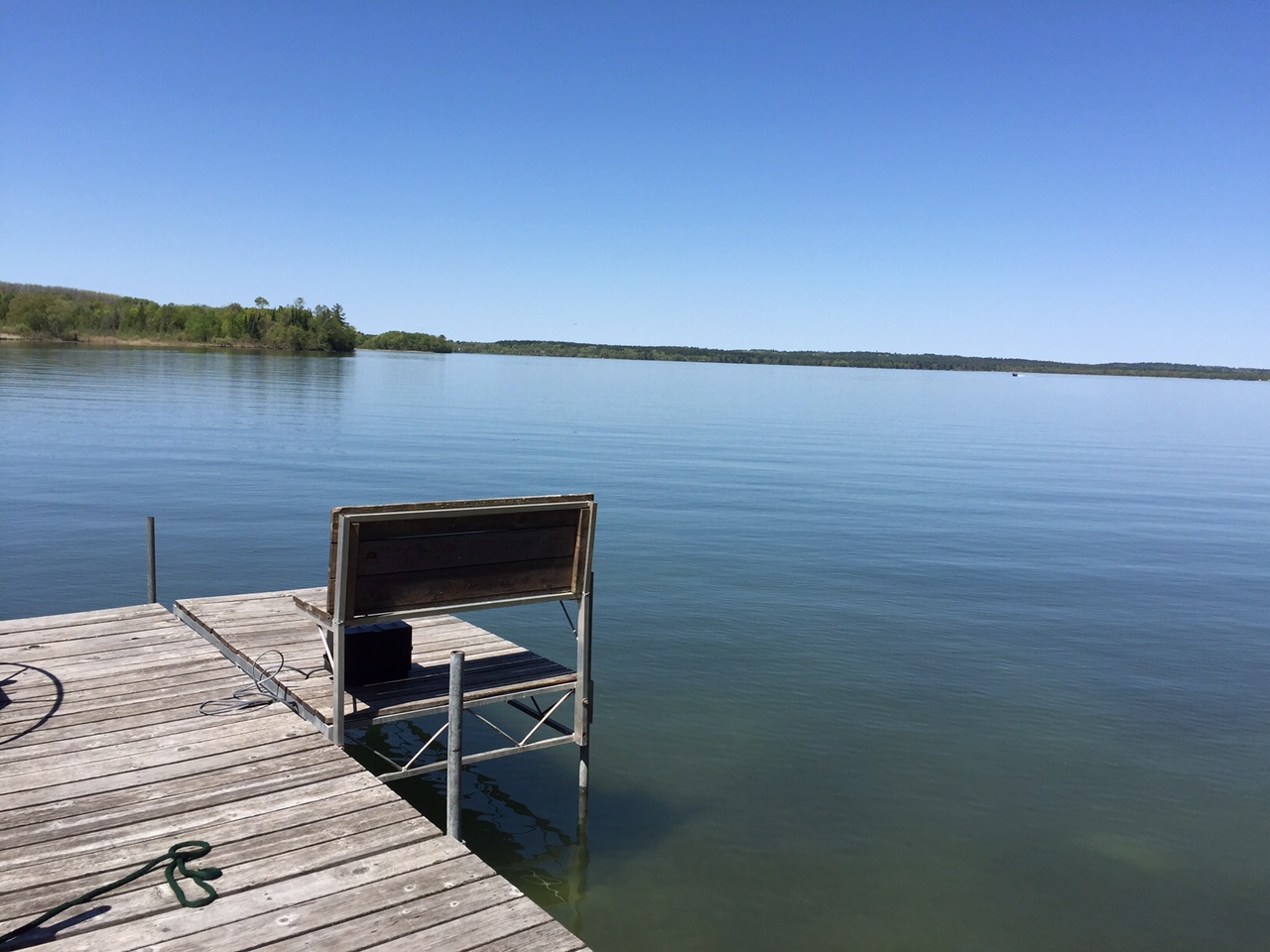
“Just Breathe”
- Faith Hill, “Breathe”
It’s been a stressful couple of weeks. The kind where your mind keeps running even when your body is still. Add on to that the wild swings in temperature from 70 degrees to 40 and back. Lately, I’ve found myself coming back to something simple—just focusing on my breath. Breathe in. Breathe out. Slowing things down enough to settle.
Did you know lakes breathe too?
Look at a lake’s surface, and it is calm and reflective. Look beneath and the lake is humming with life. Lakes breathe out during the day and breathe in at night.
More specifically, during the day the plants and algae in the lake receive sunlight, and they use this sunlight for photosynthesis. As their tiny cells are building tissue, they breathe out oxygen as a by-product. As the day goes on the lake gets rich with oxygen dissolved in its waters. It’s like the lake is taking a deep, full breath and sharing it with everything that lives there: fish, insects, all of it.
All the time, day and night, there are tiny organisms like bacteria, fungi, and things too small to see, quietly breaking down leaves, old plants, and natural debris. In doing that work, they use oxygen. They’re breathing it in, just like we do. This is called respiration.
During the day, it balances out. Oxygen is being made and used at the same time.
But at night, the rhythm shifts.
With no sunlight, the plants stop producing oxygen. The “exhale” pauses. But everything else keeps breathing in. So slowly, through the night, the lake uses up that stored oxygen until the early morning hours, when levels are at their lowest.
Then the sun comes up. And the whole cycle starts again.
Breathe in. Breath out. It’s what sustains life; it’s what calms us.

It’s so interesting how our bodies go on autopilot all day to breathe, but we can also focus on it, and use that breath to calm ourselves.
The next time you are feeling stressed, sit by a lake and focus on breathing in calmness. Take comfort in knowing that below the surface, the lake is breathing too, right along with you.
Moriya Rufer is a lake biologist with 20 years experience working with and loving lakes in northern Minnesota.
Leave a Reply