
“Greatness isn’t about avoiding disappointment — it’s about returning after it.”
- Tami Matheny, Sports psychologist
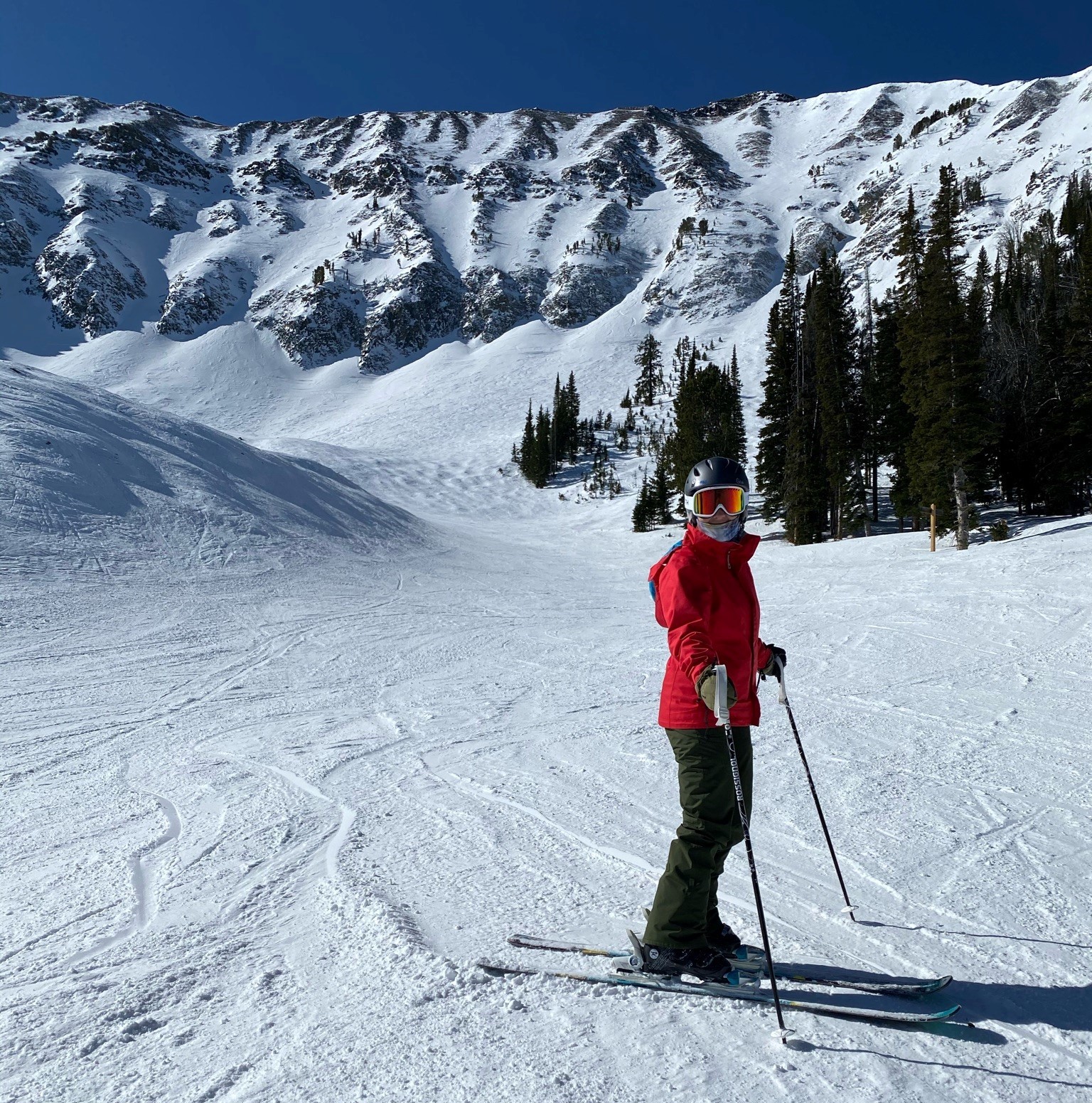
Three years ago, I slipped on the ice and tore the MCL in my left knee. One wrong step, one pop, and suddenly the ordinary act of walking felt uncertain. I remember wondering, almost immediately: Will I ski again? Will I run?
I worked my way back to about 95%, but that last 5% felt impossibly far away. Progress slowed to inches. Eventually I started wondering if, in my late 40s, this was simply how my body was going to be now. Maybe this was the new normal.
Then the Winter Olympics happened.
Over the past two weeks, story after story has reminded me that resilience doesn’t have an age limit. It has a persistence requirement. Elana Meyers Taylor powered to Olympic gold in bobsled at 41. Lindsey Vonn returned to Olympic competition at 41. Federica Brignone came back to racing just weeks after rehabbing a broken leg and won Super-G gold. Mikaela Shiffrin returned to gold after injury and losing her father.
Of course, elite athletes have world-class trainers, coaches, and medical teams. Most of us don’t.
But resilience isn’t reserved for Olympians.
We see it everywhere in ordinary life. A friend finishing cancer treatment and learning how to feel strong in her body again. A neighbor rebuilding her body after childbirth. A friend’s son rehabbing from ACL surgery. Our bodies remember how to come back if we give them the chance.
Recovery doesn’t happen in the highlight reel, it happens in the practice reps. Mostly it happens alone — counting repetitions in the gym, or doing the same small exercises on the living room floor long after motivation fades. No applause. No finish line. Just the quiet decision, day after day, to believe that something inside you is still healing, even when you can’t see it yet.
That realization has changed how I look at my own knee. I’m not on the path to winning an Olympic medal. But I can work up to heavier weights. I can keep doing the rehab exercises. I can keep working toward skiing and running again. And since ramping up my training at the beginning of this year, I already feel stronger.
And the more I thought about resilience, the more I realized this isn’t just true for athletes or for our bodies.
It’s true for lakes too.
Lakes are remarkably resilient systems. Given the chance, they can recover from decades of stress and pollution. One powerful example close to home is Lake of the Woods. For much of the 20th century, paper mills in International Falls, Minnesota, and Fort Frances, Ontario discharged massive amounts of wood pulp into the Rainy River (which flows into Lake of the Woods), so much that people said you could practically walk across it. Sewage and other waste compounded the problem, sending nutrients and pollution downstream into the lake.
For a time, the damage felt permanent.
But over the years, regulations strengthened. Waste treatment improved. Restoration efforts expanded across the basin. And slowly the system began responding. Water quality has improved. Lake sturgeon returned. The lake is not “fixed,” but it is recovering. Adjusting. Continuing.
Whether it’s an Olympic athlete, a healing body, or a recovering lake, the story is the same.
Resilience is simply the choice to keep coming back.
Moriya Rufer is a lake biologist with 20 years experience working with and loving lakes in northern Minnesota.
To read more about Rainy River and Lake of the Woods recovery, visit:
https://lowwsf.com/blog/121-the-rainy-river-a-case-study-in-pollution-and-recovery
Leave a Reply