
“Look at the world around you. It may seem like an immovable, implacable place. It is not, with the slightest push — in just the right place — it can be tipped.”
- Malcolm Gladwell
I just had my annual physical check-up with the doctor last week. We tested my blood for all the usual health indicators. These include cholesterol, blood cell counts, and liver and kidney functions. These tests are usually reported in ranges, with a normal range and then a low and high range. Normal ranges can be different for different groups of people like women versus men and children versus adults. When you’re on the high end of the normal range you’re at the tipping point of a possible health concern. With most health concerns it’s better to catch it early than late.
Lakes can be thought of the same way. If you are monitoring the water quality of the lake you live on, you are testing the lake annually for health indicators. For lakes, these health indicators are total phosphorus concentration, which is the main nutrient that feeds plants in and algae in the lake, chlorophyll-a, which is the algae concentration in the lake (how green the water is), and Secchi depth, which is the depth of clarity in the lake. Different types of lakes have different normal healthy ranges of these health indicators. In Minnesota, each Ecoregion has a normal healthy range of water quality indicators. Lakes in the northern forests have different phosphorus ranges than lakes in southwest Minnesota. To see those ranges, visit https://waterontheweb.org/under/lakeecology/18_ecoregions.html.
One of the main characteristics that affects a lake’s tipping point is its volume of water. Have you ever heard the phrase, “Dilution is the solution to pollution?” The more water a lake has the more it can dilute pollutants. The amount of water a lake has depends on its size and depth. But even the largest and deepest lakes, like Lake Superior, have a tipping point where they get to the high end of the normal range of these indicators.
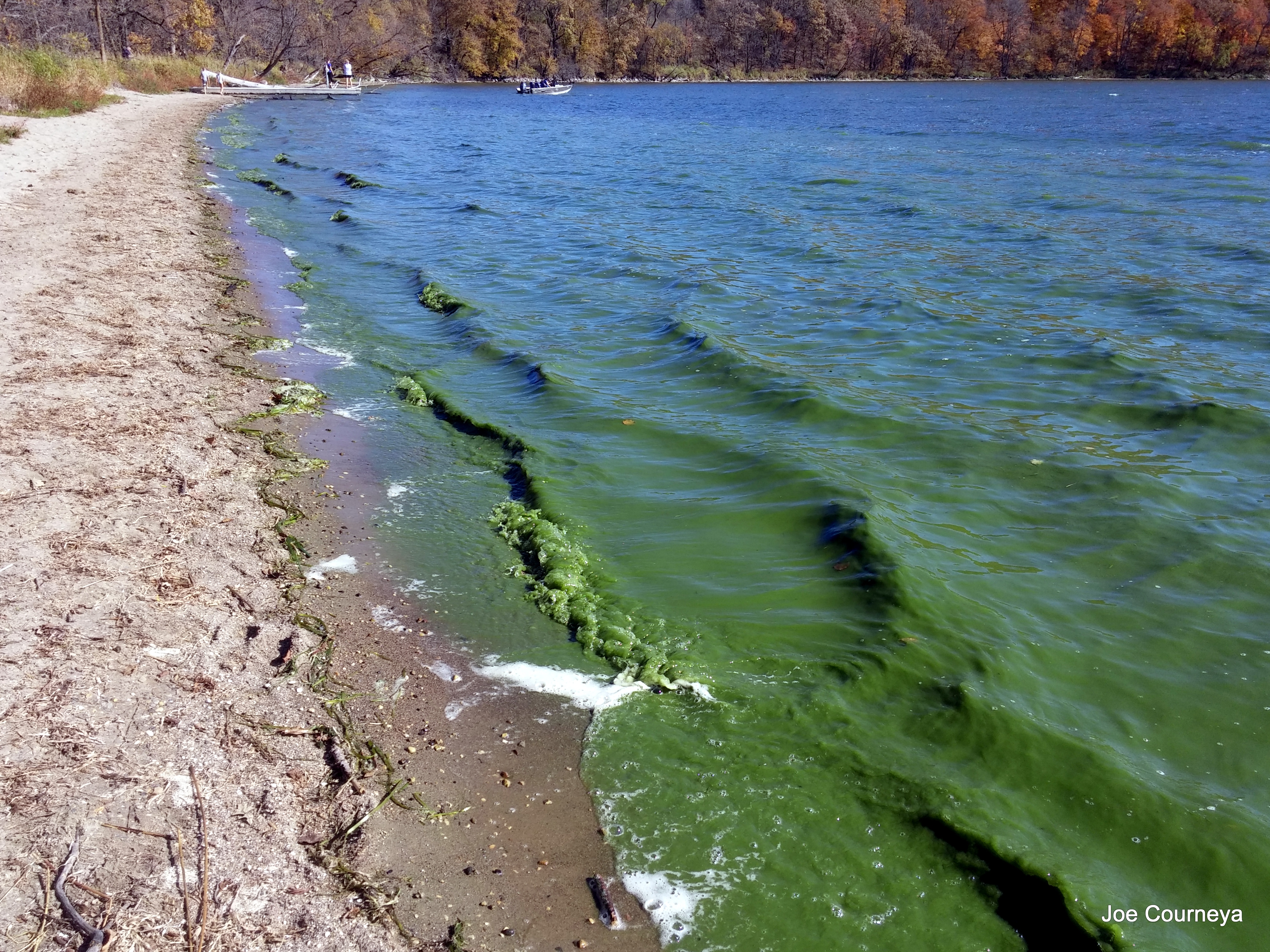
Just like we humans have symptoms when we get sick, lakes do too. As a lake nears its tipping point, signs like increased algal blooms and declining water clarity trends become visible. Changes in plants or fish species composition are also observed. Once a lake reaches its tipping point, it can be irreversible. Medicines can be applied. For instance, chemicals can kill plants and algae. But, that approach only manages the symptoms. It does not fix the lake.
Reducing our calorie intake helps us lose weight. In the same way, reducing nutrients that run off into lakes helps them get more clear. Let’s start thinking of our lakes like we think of our own bodies. We want to care for them but also keep doing an annual physical to detect any future changes.
To check your lake’s health, contact a water testing laboratory or the Minnesota Pollution Control Agency: https://www.pca.state.mn.us/get-engaged/volunteer-water-monitoring.
Moriya Rufer is a water quality professional with 20 years experience working with lakes in northern Minnesota.
Leave a Reply