
“The weather ain’t been bad if you’re into masochistic bullsh*t.”
- Noah Kahan, Homesick
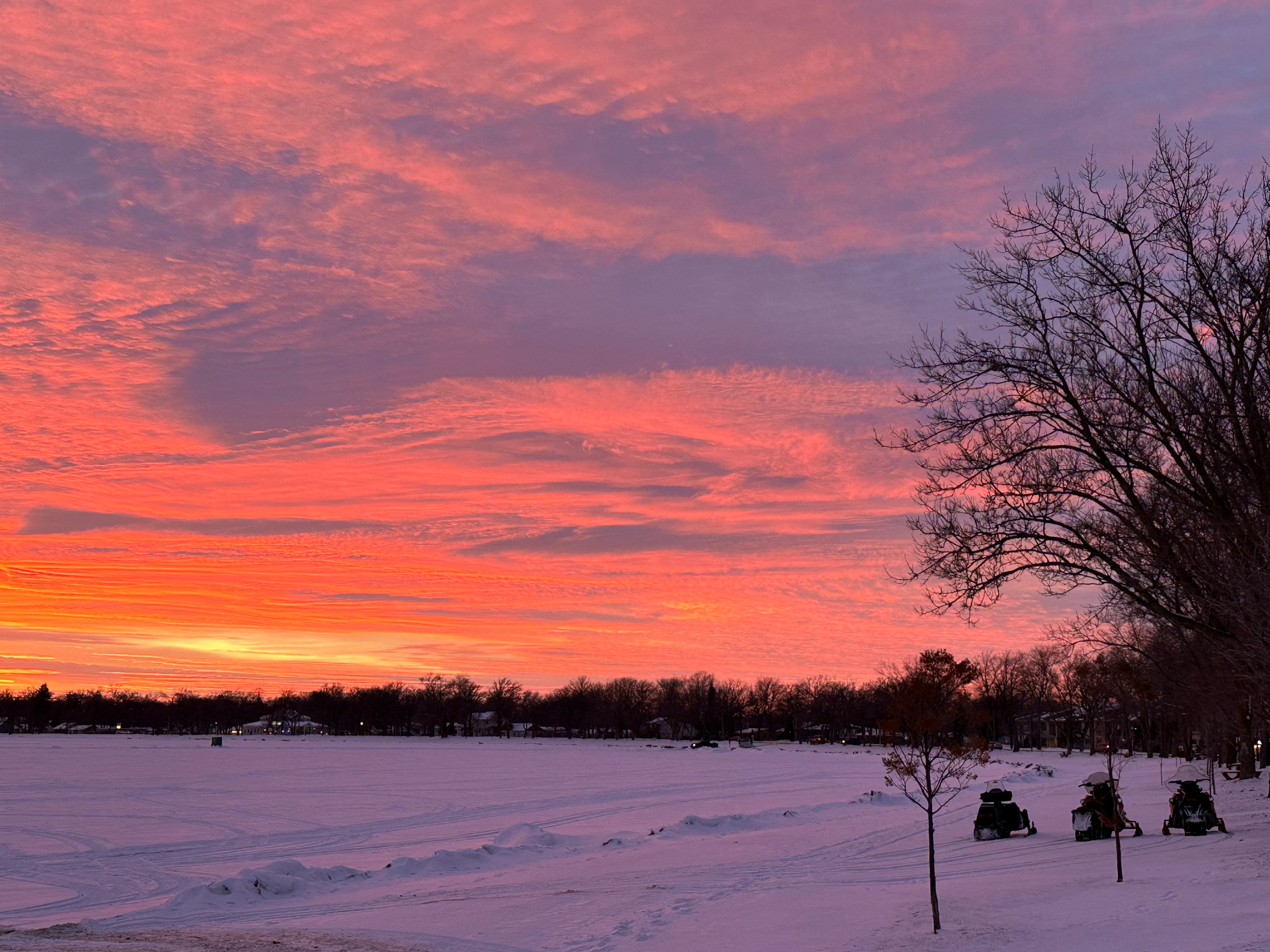
This past week, I stood outside in -9 F temperatures and watched my daughter compete in a high school downhill ski race at Ski Gull. Instead of shivering and cursing the cold, I was smiling. Watching her race this winter has reminded me how much I like bundling up and being outside in winter. On a cold day, it’s easy to hole up inside and avoid venturing out. Yet, getting outside is so rejuvenating! The fresh air does wonders for winter glum.
Our Minnesota ecosystems rely on the cold too. Cold winters help prevent many potential pest insects and invasive species from establishing in Minnesota. The US Department of Agriculture estimates that invasive plant pests and diseases cost the United States $40 billion annually. These costs include effects on native species, crop loss, eradication, removal, and control efforts. Species that cannot survive our winters are stopped from migrating up from southern states. Extreme cold can also knock back unloved species that are established here. For example, unfortunately ticks survive winter. Still, a warm winter can lead to a boom in tick populations in the spring. A cold winter keeps the populations at bay.
Winter ice, covering our lakes, streams, and ponds, isn’t just a beautiful surface for skating and ice fishing. It plays a vital role in the annual cycles of plants and animals under the lake’s surface. Ice provides insulation, helping keep a stable water temperature below. This can protect fish and aquatic insects from extreme cold.
Our native lake plants die off in the fall. If there’s good snow cover, the plants don’t start growing again until ice out. If there’s no snow, the sunlight can penetrate the ice and give the plants a jumpstart in winter. Similarly, when the ice comes off early, as is the growing trend, we see denser plant growth in the spring.
Aquatic organisms mostly settle to the lake bottom for a long winter’s nap. Algae and zooplankton rest in the lake sediments, waiting for the ice to come off so they can be active again. Amphibians bury themselves in the lake bottom and hibernate. Fish are cold-blooded, and can slow their metabolism in winter. Fish that are adapted to cold, like trout and salmon, stay active. Warm-water fish get sluggish and wait it out until spring.
I’ve already talked in earlier blog posts about how seeing the greens and blues of nature can boost your mood. Studies also show that white spaces, like a snow-covered forest or lake have a similar effect. The cold air has health properties that boost your immune system and mood. I’m thankful my daughter’s skiing has reminded me how much being outside helps me in the winter. If you’re feeling the winter blues from the cold dark days, try bundling up and going outside for a walk. You’ll be glad you did!
Moriya Rufer is a water quality professional with 20 years experience working with lakes in northern Minnesota.
Leave a Reply